Wednesday, 14 October 2015

RESEARCH: NARRATIVE THEMES AND PLOTS - MISS BEGUM


What are themes? Why are they important?

Themes are the bigger ideas explored within the narrative and a point in the story that can be easily inferred, or one has to explore the theme by reading in between the lines and the story more. They are usually described by one word. A similar theme will constantly reoccur in the same genre because of the conventions and traits that each type of film has to maintain. However what makes a movie to stand out is the composition and combination of these themes and how they’re explored and represented. Themes are important because they establish the genre and narrative as well as impact the audience. This is because different themes will evoke many reactions and emotions from the viewers, making them more engaged with the movie.


Themes in Different Genres.

Different genres will use different themes because of the associations that each genre has. In addition the film should meet the audience’s expectation by including specific themes. All genres are dependent on themes because these are the features that help to distinguish the film types which is important as an audience should be able to infer what the film will be about. when similar or same themes occur in two different genres a sub-genre is then created. These are some of the themes that constantly occur in different genres:

HISTORICAL GENRE:

·         Ownership

·         Battle

·         Honor

·         Hierarchy

·         Power

ADVENTURE GENRE:

·         Mystery

·         Treasure

·         Journey

·         Partnership

COMEDY GENRE:


·         Humor

·         Family

·         Love

·         Household

·         Everyday life

·         Friendship

ROMANCE GENRE:

·         Love

·         Passion

·         Devotion

·         Relationship

·         Family

SUPERHERO GENRE:

·         Good vs Evil

·         Supernatural

·         Power

·         Authority

·         Battle

·         Corruption


ACTION GENRE:

·         Good vs Evil

·         Violence

·         Authority

·         Law

·         Corruption


Themes in the Thriller Genre:

Themes in thrillers tend to be similar in each film because of the codes and conventions that thrillers have to follow to be classified as a thriller. These are some Thriller films with their sub-genres and the themes that occur in these movies:


Shutter Island - Mystery Thriller

·         Mystery

·         Murder

·         Loneliness

·         Desolation

·         Threat

·         Disappearance


Leon the Professional – Action Thriller

·         Murder

·         Assassination

·         Friendship

·         Courage

·         Dominance

·         Law

·         Morality / priorities


The Usual Suspects- Crime Thriller

·         Murder

·         Money

·         Lies

·         Crime

·         Authority

·         Religion

The Forgotten- Mystery Thriller

·         Secrets

·         Denial

·         Corruption

·         Faith

·         Crime

·         Supernatural


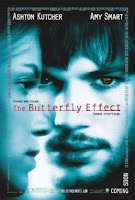
The Butterfly Effect- Psychological Thriller
 

·         Childhood

·         Relationship

·         Death

·         Regret

·         Change


Impact of themes on audiences:

Themes have a massive influence on the audience because they allow to convey the mood of the film as well as help to establish the narrative. This is important as often the viewers are very selective with their film choices and will only view something they are intrigued or interested in. Therefore themes should be easily explored in the begging of the film or previews to help establish the audience as well as target the right spectators. Moreover themes will help to create the narrative and only an interesting story and mix of themes will attract the audience and have an impact on them whether causing an emotional or physical response.


Analysis of the different themes in a chosen thriller extract:


I have decided to analyse in depth the different themes that occur in this opening sequence from the spy thriller, Skyfall. As the scene begins the theme of failure can be explored by the way that the character is falling down and cannot prevent it which shows that he has disappointed himself or someone else and cannot restore his honour. On the other hand the theme of betrayal can be inferred by the way he is pulled down by a metaphorical hand which could be a symbol for someone who has let him down. As the images progress the spectators are able to apply Barthes’ theory of semiology and cultural references which is evident in this opening when the idea of heaven and hell can be inferred; implying the Christian culture/ religion who strongly believes in afterlife. The representation of heaven is shown by the blue sea which was evident just a moment ago and hell is the red grave yard proposing pain and evilness. The idea of heaven and hell suggests the theme of ‘good vs evil’ which is very common in thriller genre. Furthermore the theme of morality is explored in a significant way which is shown when the background is just in black and white proposing that the world is divided in good and bad and we constantly try and pick the correct choices which links with the idea of ‘good vs evil’ as well. Lastly the subject of apocalypse is explored in the sequence, evident when the red sky is falling showing that the world is ending. The idea of red sky is an oxymoron because sky is connoted with blue and white which are calm and heavenly colours. Overall from this sequence it is very obvious that the director was heavily questioning the idea of morality, values and choices because of the common juxtaposition that is used throughout and provokes the audience’s mind.

Conclusion:

In conclusion, looking at the different themes amongst the different genres and particularly in thrillers was highly beneficial. This is because I am now confident in the different possible subjects that I will be able to explore and how these will convey the genre and help to establish my spectators. I found this task very useful since I will have to choose my own themes for my sequence. From looking at the Skyfall opening and other examinations I have realized that the theme of ‘good vs evil’ is very common. However this idea is usually disguised in different metaphors in order to make the sequence interesting and avoid repetition. For example in Skyfall opening the same theme was explored multiple times but the viewers had to read into the context more in order to understand the real meaning. This allowed to put emphasis on the subject and reinforce it to the audience. From this post I have decided that these are the themes I plan to use:

·         Mystery because I want to intrigue my spectators and make them feel like they are the ones solving the mystery

·         Religion as I am planning to have a religious ritual scene.

·         Supernatural because I want to explore some of the unfamiliar characters such as ghosts or evil nymphs.  

RESEARCH: SCREAM ANALYSIS - MISS BEGUM


How is the opening sequence of Scream conventional to a thriller opening?

In this essay I will be analysing the famous opening from the classic thriller film ‘Scream’. I will look at the use of the microelements and how they are combined to provoke a response from the audience and make the sequence conventional. The scene begins with the female protagonist, Sidney, receiving a call from a stranger. It ends when she escapes to the kitchen and tries to protect herself from the intruder in her house.

The sequence begins with a non-diegetic sound of people screaming and shouting as their voices are filled with terror. This compliments the title sequence of ‘Scream’ which is apparent on the screen. In addition there is an off-screen sound of a phone calling which makes the scene distorted and threatening for the audience; making them feel immediately insecure. This is conventional of a thriller as it allows the viewer to infer what genre the film is and what the possible narratives that could occur are. As the film starts, the use of slow paced editing allows the spectator to familiarize with the female protagonist who has blonde hair and is wearing a white jumper. White connotes purity and innocence which suggests that she is a good person and the audience should sympathize with her. This compliments Barths’ theory of semiology because the audience is able to infer what kind of a character this is basing on signifiers and symbolism. This is a conventional representation of a female because stereotypically women should be portrayed as vulnerable and innocent which helps to empower men, making the female victim being perceived by the audience as fragile and exposed to danger; reinforcing gender stereotypes. The slow paced editing allows the spectator to feel relaxed which helps to convey the calm atmosphere of a home which is where the protagonist is based in. The location of a house has connotations of warmth and makes the viewer feel welcomed and feel the comfort and stability of their own house. This is conventional to the thriller genre as the audience feels almost too relaxed and can start to tense up knowing that this environment can be quickly put to an end because of the crumble and fragile female nature which is destined to be disturbed and the fact that the house seems isolated from any neighbourhood just emphasizes on the exposure to danger and makes it an easy target. This creates tension and insecurity; building a pre-climax. As the protagonist talks on the phone to the antagonist there is a use of a zoom in which is evident when the on-screen voice coming from the phone changes. Now, the call is more of a threat to Sidney as the voice is low and horrifying for the viewer as well as the female in distress. This proposes Todorov’s theory of narrative structure because the event that just occurred is the disequilibrium which has distorted the scene.  The theme of threat is very usual in thrillers because it can push the narrative forward as well as withdraw an emotion and reaction form the viewer. This draws the spectators’ attention as they see the fearful facial expression of the female who is disturbed by the rapid change and doesn’t know what is happening; being oblivious to the situation. The spectator reacts psychologically as they are played with their minds by the antagonist just like the female victim. This is conventional as the director has put emphasis on the reaction of the female allowing the viewer to react in the same way too and we are almost placed in the females shoes which draws more sympathy and pity for her from the spectators.

Moving on, the female leaves the phone after she hangs up hoping that the danger has passed, however there is another off-screen call and the female is yet again insecure and she goes to lock all the windows, trying to conceal the feeling of safety. The insecurity within the damsel in distress originates from the violation of her privacy and the fact that she is oblivious to the intruder but he seems to know everything about her. However as the audience, we know that the idyllic home atmosphere is now disturbed and we are tense and worried for her. As the terrorized female character approaches the door to look out of the small window, a point of view is used to show that the damsel in distress is hoping that the calls are a silly prank which would give her relive and inner stability. At this point the audience feels panic because they know that this is not a prank and the female is in a life threatening situation right now. This allows the viewer to be placed in her position making us see how fragile and vulnerable she is. The panning shot is used to make the viewer realize that she has small area at her sight and therefore she cannot possibly secure herself from all the danger that could be awaiting her. This saddens the spectator as we can infer that she has very little chances of survival from the antagonist since he is in a more dominant position and has control over her by playing with her mind and petrifying her. Later on a reaction shot is used as the doorbell rings and the female protagonist jumps in shock and horror. Simultaneously, there is another off-screen phone ring which makes the scene quite chaotic and compliments the fast paced editing to create distortion and fear for the viewer. This allows the audience to see the juxtaposition of the atmosphere which was calm and relaxing at the beginning and now is tense and threatening. The low key lighting helps to create a sense of fear and terror to the scene and is another aspect that helps to show how superior and dark the house is although it seemed safe just a moment ago. This also helps to show how things are dismissive which is usually a generic convention and proposes the idea of a plot twist that is typical of a thriller genre. In addition the theme of corruption is shown from the character of the antagonist who is evil and manipulative, which makes the audience loathe him. This theme often occurs when the protagonist is in danger in order to show how dangerous the antagonist is and that the spectator should fear and dislike him.

Furthermore, as Sidney comes back to the living room and walks up to the large window, still talking on the phone, there is a non-diegetic beating sound. This could be a metaphor of her heart beat which means that the female in distress is scared but determined to feel safety. The non-diegetic sound also helps to build up to the climax which keeps the audience in suspense knowing that soon something terrible will happen. As she looks out of the window in her living room, we see Sidney’s terrified facial expression which alerts the audience because they are aware that something bad has happened. The non-diegetic sound is loud and has a dark tone which helps to reflect the terrible and serious situation. The use of a long shot exposes the viewer to a teenage boy who is strapped to the chair with blood coming out of his body. His body language shows that he is uncomfortable and in pain which implies that it is not a joke and he is in danger of death. The audience learns that it is in fact the protagonist’s boyfriend and the viewer sympathizes for him as well as feels sorry for the female knowing that now there is no one who could save her out of oppression. The theme of violence and murder is conventional in the thriller genre as it is usually the key moment or helps to build up to the climax. Also it helps to reinforce that the antagonist is in fact dangerous. The killing of the boyfriend could be a foreshadowing for what might happen to Sidney. The audience suspects that the attack was committed by the pranker because he was threatening Sidney and her boyfriend which reinforces his bad intensions and evil nature. Moreover another long shot displays Sidney’s body language who is in shock and slowly moves back to the corner of the room and crumbles up, showing she is afraid. The almost baby-like position emphasizes on her female nature and gender stereotypes of women who are the subordinate ones and always have to rely on the opposite sex. This proposes the theme of 'good vs evil' which can be inferred by the contrast between the characters as the antagonist is extremely evil and the female victim is very innocent and vulnerable. On the other hand this symbolizes that she is trying to find peace within herself and longs for safety which she was deprived of.  This is conventional of a thriller genre as often the characters are afraid and try to seek for their well-being which makes the audience feel pity and helpless as they cannot help to provide the necessary safety for their character in need. On top of that the on-screen sound of the antagonist’s evil laughter shows that he has pleasure in his tortures and hauntings which makes the audience loathe him even more knowing that Sidney is a vulnerable and innocent female. This is conventional to a thriller opening since the spectators are allowed to establish their opinions on all characters and get to decide who they like, dislike or pity which is important because they can react in different ways and engage with the character in an emotional way. This is another conventional trait of a thriller openings the different representations help the audience to construct their opinion on each character and decide who they want to survive.

Following on the non-diegetic sound gets to its optimum and the high pitched, yet dark music creates a superior feeling making the audience feel intimidated and doomed. As Sidney enters the kitchen there is a use of a long shot which helps the audience to see the new location that she has entered. The spectators can notice that Sidney is holding a knife which does help to restore the viewer’s faith in her a little because a knife is a dangerous weapon that can help the victim protect herself form danger. However knowing that she is so vulnerable and a bit naïve still makes us feel sorry for her. It is also a matter of the female representation and gender stereotypes as women are usually presented as subordinate characters which makes it harder again for the spectator to believe that Sidney will make it out alive in one piece. The long shot also allows the viewer to notice the iconography of popcorn which is burning on the cooker and looks like it could explode any moment. The popcorn could be another metaphor for the climax and help to represent Sidney’s short life which will end soon but not allowing the audience to infer when exactly. The tension created is very nerve provoking and thrilling for the audience which is conventional of this genre because thrillers are famous for creating fear and excitement for both viewers and characters making it a prime genre for adrenaline lovers and people who like a dose of adrenaline which makes it an effective opening.

In conclusion I believe that this thriller opening is one of its kind because it follows all the necessary codes and conventions which trigger the right audience response and create an accurate representation of different characters such as a victim and antagonist. ‘Scream’ was one of the first horror movies which caused controversy in its time because of the explicit brutality and murders that it has involved. It has won the International Horror award for best film and a Guild Saturn Award for a best horror film.  I personally felt many emotions during the viewing such as fear and pity because of the credible use of the different microelements which has been combined to create a successful opening even though many years have passed it is till effective.

Conclusion.
I think that looking at such a famous thriller opening was very beneficial because it has gave me a fundamental idea of what my opening sequence should look like. Looking at different micro-elements was also highly beneficial because I now have a much clearer idea of what suits a thriller opening best.  Therefore from this analysis I now know that I would like to use a high pitched hunting non-diegetic sound in order to create fearful atmosphere. On top of that I will precisely chose the cinematography techniques especially when it comes to angles in order to distinguish clear character representation and their status. I think this is very significant as the audience needs to know exactly who they should loathe and who support.

Friday, 9 October 2015

RESEARCH: NARRATIVE THEORY- MISS BEGUM


What is a narrative and why is it important?

Narrative is the structure of the moving image which can create a sense of realism and naturalism to the film. Simultaneously, narrative is the plot/storyline that is used in the film so the viewer knows what is happening and can follow the narrative easily. An effective and imaginative narrative can keep the viewer in suspense and thrill throughout the viewing. Therefore, narrative is important because it helps the audience to follow the plot without any confusion as well as it gives meaning to the film because it has to conceal certain conventions and undergo rules to make a functional story.

Creating meanings in texts:

There are four elements that are essential to help create meaning for the audience and help them understand the narrative clearly. These include:

·         Characters- this helps the audience to create a connection with the characters as well as storyline because for certain characters the viewer can feel different emotions which will influence the spectator throughout the viewing. For example in a thriller genre a protagonist will withdraw the most sympathy from the audience because of the good character traits they have.

·         Connotations and Denotations- these help the audience to infer and predict what could take place or the viewer can guess the meaning behind certain objects basing on the connotations that specific denotations have. For example a gun would be the denotation, and it would connote harm and death.

·         Genre- helps the audience to establish and infer the possible themes and narratives could be included in the film because of the associations that audience have for particular genre. For example from a thriller the viewer would expect a theme of death to be frequent.

·         Structure- allows the moving image to have a fluent and clear composition which can be easily read by the viewer. In thrillers the structure usually has a start, middle, and end.


KEY THEORISTS:


PROPP THEORY: The Characters

Propp created his theory about characters in 1920’s. This is when he was a cinema critic who specifically focused on folks tales. Propp’s theory was that in many films the characters were repetitive and had similar roles therefore he came up with a description of each one, which are:

  • The Hero: a character that seeks for better things and saves the day- in thrillers the hero would be the protagonist who often tries to save their loved ones or the vulnerable characters. An example would be Nicolas Cage character in the film Knowing because he goes off to save humanity from disaster.
  • The Villain: the one who tries to opposes and constantly blocks hero’s quest- in thrillers this is the antagonist who always tries to cause harm and get rid of the protagonist. An example would be the Joker in the Dark Knight because he wants to get rid of the protagonist.
  • The Donor: the character who provides an object with magical properties- in thrillers these are all the characters that give away weapons such as guns or knifes.
  • The Dispatcher: the person who assigns or sends the hero on a quest.- in thrillers this is often the more experienced character. An example of this would be Morgan Freeman in the thriller The Wanted as he sends his assassins off to missions. 
  • The False Hero: the character who disrupts the hero’s success by making false claims.- in thrillers this would be the character who seems fake and turns out to be bad at the end of the movie. An example of a false hero would be Shawnee Smith in Saw 2. This is because she seems to be an innocent and lucky Jigsaw survivor but then she traps a policeman who gets harmed.
  • The Helper: the one who helps the hero and aids him when necessary.- in thrillers this character is often the sidekick who tries to help the protagonist. An example of a helper would be Mark Ruffalo's role in the thriller Shutter Island who stands by the protagonist's side no matter what.
  • The Princess: a reward for the hero.- in a thriller this would be the female love interest who often ends up with the protagonist. An example of this character would be Angelina Jolie character in the film The Tourist who gets saved by the protagonist and later falls in love with him.
  • The Princesses’ Father: he rewards the hero with his daughter which is the princess.- in thrillers this can be anyone who is close to the female love interest. An example of this character would be Paul Bettany who is the females' boss and he realises that the protagonist loves his employee and lets them be together without causing them trouble.


PROPP’S THEORY TODAY: Although Propp’s theory was created long ago we can still apply his rule to today’s cinema. For example in thrillers there is usually a Hero who tends to be the protagonist. There would still be a Villain evident in a role of an antagonist. Sometimes the Hero could use a hand from the Helper. In this thriller opening from the Dark Knight the Popp’s theory can be applied. This is because two kind of characters can be identified. Firstly the clowns that rob the bank are the Villains who will cause harm and will have no mercy towards other characters which is conventional because usually there are antagonists. The Hero would be the character who tries to shoot the Villains in order to restore peace to the institution and provide safety which is also conventional because a protagonist must tackle many obstacles in order to save the day.


TODOROV’S THEORY: The Narrative


Todorov came up with his theory in 1969 and stated that every narrative involves a structure. He proposes that most films have similar if not the same pattern/ structure that is followed. Todorov has come up with the following three stages that are evident in the moving image. These include:

·         The Equilibrium- which is the stage of stability at the beginning where the audience familiarize with the characters and the setting. The spectators are fully aware of the atmosphere and the different possibilities.

·         The Disequilibrium- which is the stage of the most disruption and harm. The characters are exposed to most action and have to face the difficulties that await them. This is usually where the most tension occurs for the viewer.

·         The New Equilibrium- which is the stage of peace after the disruption is resolved and the day is saved. The narrative closes and everything is concluded. This is when the audience feels the most relieve and happiness because usually everything ends happily.


TODOROV’S THEORY TODAY: Todorov’s theory can still be applied to recent films even though the rule was created long ago. For example in thrillers the theory is very often evident so the narrative has clear structure and can be easily understood and followed by the viewer. In this thriller opening form the film Hanna the Todorov’s rule can still be applied. The state of equilibrium is the beginning where the spectator is disposed to the nature and animals that seem to live in the isolated wood. The atmosphere seems calm and relaxing. The disequilibrium begins when the female character shoots the deer which disturbs the calm nature and creates suspense for the viewer because something brutal is happening. The new equilibrium stage is when the deer lies on the floor and gets shot which makes the viewer sad but at the same time we know that the animal didn’t suffer for long and that it is the brutal order in nature.


ARISTOTLE THEORY: The Narrative and Themes

 
Aristotle has come up with his theory by developing Todorov’s rule in further detail. He proposed that the moving image should have a start, middle and an end as well as the events should relate to one another in some way so the viewer can follow the storyline. Aristotle also believed that it is necessary to draw emotions from the audience by the use of themes. For example in thriller the theme of death would draw an emotion of misery or sympathy from the viewer towards the dying character.

In addition Aristotle developed his own narrative structure which is:


·         The Exposition- the audience are allowed to familiarize with the main character.

·         The Rising Action- the protagonist starts to understand their goals and begins to work on it

·         The Climax- the optimum of the film. The moment when greatest tension/ action is evident. Audience experiences the most emotions.

·         The Falling Action- the point where the action is less apparent but time of decision making occurs; the protagonist decides the outcome of the film.

·         The Denouement- the resolution and state of stability.


ARISTOTLE THEORY TODAY: Aristotle’s theory is not recent but can still be applied in today’s cinema. The idea of drawing emotions from the viewer allows the narrative to be much more naturalistic and believable. The theory is evident in the thriller called Law Abiding Citizen. The first 2:46 prove Aristotle’s theory. Firstly we see the theme of childhood from the little girl. This makes the audience sympathies towards the vulnerable nature. Another theme is family which draws an emotion of love and relaxation. Further on the theme of violence is evident when the intruders break into the house which makes the audience feel disgusted and insecure; viewers want the family to survive. Lastly the theme of innocence is evident as the little girl is in shock looking at the brutal actions that the burglar take.


BARTHES THEORY: The Semiology within Narrative

Barthes has invented his theory after looking at narrative and how it can be identified and portrayed by different stimulus. From looking at narrative, Barthes has examined how the plot is changed by the following things:

·         Symbolic- Connotations- the things that represent something else or have a deeper meaning.

·         Semic- Denotations- the exact value of something

·         Cultural Understanding- the events that are recognized within different places or cultures/ religions.


BARTHES THEORY TODAY: Barthes theory can be still applied to today’s cinema. This is because most films try to send across different connotations and denotations in order to create a deeper meaning to the scene. Many narratives still have cultural aspects to it in order to help establish the setting and time the movie is set in. In this thriller opening Face Off the audience can withdraw some connotations and denotations. One of the detonation evident is the gun which is symbolic of causing death and harm. Another denotation is the balloons which fly away after the shooting. The connotation of this would be the victim’s soul which flies away to heaven in peace and freedom. The carousel has cultural references because carousels are a very usual attraction in America. They are called merry-go-round which helps to establish the scene but is not as relevant to the narrative. However, the ride has connotations of child’s vulnerability and joy which reinforces the theme of innocence.


Analysis of Theorists from chosen Thriller Opening:


The opening sequence from the thriller Halloween proposes Propp’s theory of characters. This is evident by the roles that the actors take. In the scene a Villain is apparent and takes a role of a killer and murders the young and innocent women. Moreover Todorov’s theory can be applied to this opening. This is evident by the clear start, middle and end. The equilibrium is the stage when the audience are exposed to a quiet house and a loving couple who show affection towards each other. The disequilibrium is the state when the intruder enters the house and picks up a knife which shows their evil intensions. The new equilibrium happens when the killer is reveled and the audience are shocked to know who it was. In addition, Aristotle theory is apparent throughout. The structure has exposition where the audience familiarizes with the characters. There is rising action when the intruder violates the couple’s privacy. The climax happens when the brutal murder takes place. The falling action is noticeable as the antagonist leave the property and the denouement takes place when the audience are exposed to the killer’s identity. The theme that stands out the most is death which is conventional of a thriller and draws emotion of sympathy and pity from the viewer. Lastly Barthe’s rule can be applied to this opening. There is a cultural reference to Halloween which is an American tradition that helps to establish the setting for the viewer. The denotation of a knife is symbolic of death and harm, therefore foreshadows possible actions. Another denotation is a clown mask which connotes to hiding the characters identity and proposing that someone has evil intensions hence they don’t want to be recognized.

 Which Theory can be best applied in Thrillers?
In my opinion all theorists can be applied to thrillers. Propp's theory of characters can be used, as the characters he created can still be found in thrillers, however they have do be adjusted in order to work and to follow thriller conventions. Todorov's theory of narrative also works with this genre as thrillers tend to have an equilibrium, disequilibrium and a new equilibrium yet often this conventional narrative is sometimes subverted in order to make an original and interesting movie. Moreover Aristotle theory of themes within narrative applies in thriller genre. This is because thrillers have many themes that can draw audience response and emotions. An example of that would be the theme of death which will cause pity, melancholy or relief. Lastly Barthes theory of semiology can work well in this genre. This is because many denotations in thrillers tend to have certain connotations which creates meaning for the audience. An example would be a knife which connotes harm and death because it is sharp and can kill someone. In addition some thrillers do have cultural references. Angels and Demons have aspects that portray Christianity which is a cultural reference because only some people identify of Christian religion. I think this theory can truly enhance the film as it can cause controversy to display different cultures ands base the narrative around it but at the same time it's interesting to explore that.


Conclusion:

In conclusion, learning about the different theorist was beneficial as it allowed me to develop my understanding on narrative and characters and how these originated. From looking at the different theories I have a wider knowledge how to make a conventional thriller opening. Although most theories are less recent they can still be applied to today’s moving image. I will benefit from this knowledge because I am planning to use Propp’s theory by having a Hero and a Villain which is conventional of the genre. I will also use Aristotle theory because of the intended theme of threat and violence I plan to use in order to evoke audience’s emotion and engage them into the sequence more. In addition I am considering on using Brathe’s theory because I think that the use of different denotations should have various connotations for the viewer who can read into the opening in further detail and find it intriguing and thought provoking.